
Montague Island Diving for Beginners: Safety & Prep Checklist
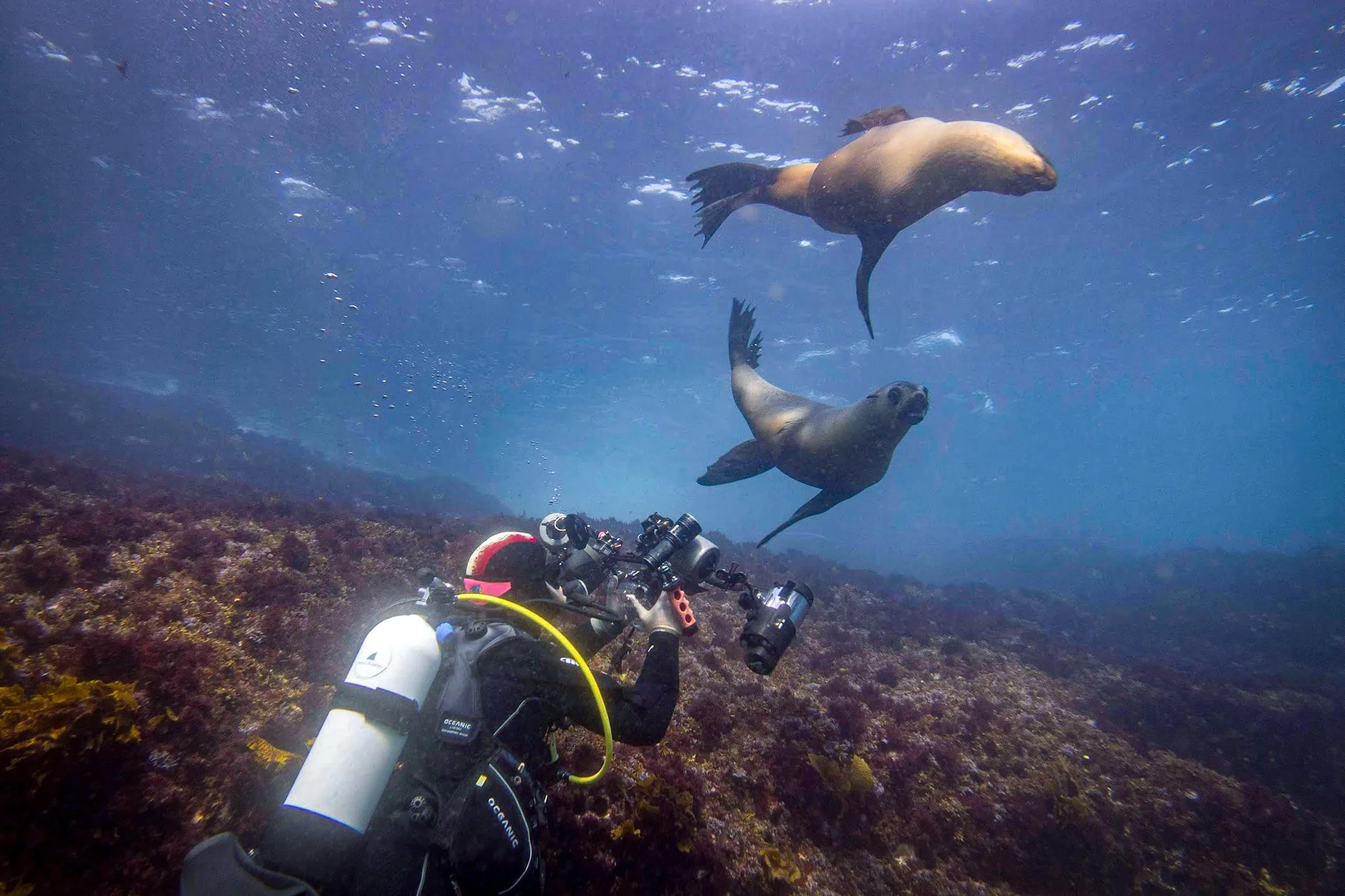
Yes, a first-time diver Montague Island trip is a brilliant idea, provided you go with an experienced local operator who puts safety first. If you want to experience the magic of the NSW South Coast underwater, you’ll discover amazing eco experiences and crystal clear waters that make Montague Island a premier destination for beginners. Preparation and expert guidance are your best friends—join adventure tours led by qualified PADI instructors and dive masters for a safe and exciting introduction to diving.
I used to just rock up to water activities without much thought, throwing gear in a bag and hoping for the best. Sometimes I got it right, sometimes I got it wrong. It wasn’t until a seasoned guide at Underwater Safaris pulled me aside and showed me how a proper scuba diving prep checklist works that I realized how much better the experience could be. Weather conditions can affect trip timing and safety, so professional operators monitor these closely to ensure the best possible experience. Prior to diving, divers should evaluate the weather and tide motions to ensure safety during the dive. This guide will show you exactly how to prepare for your first scuba dive Narooma style, keeping you safe, calm, and ready to enjoy the local marine life and enjoy snorkelling with playful seals in crystal clear waters. Remember, beginners should only dive under the direct supervision of a certified PADI Instructor or Dive Master for safety—diving with a certified instructor is crucial for beginners to ensure safety and proper guidance during dives.
Is Montague Island good for first-time divers?
Montague Island is an excellent spot for a beginner scuba diving Narooma experience when the conditions are favorable and you have the right crew looking after you. Montague Island features a variety of dive sites, including The Cod Hole, The Cathedral, and The Playground, each offering unique marine experiences for beginners. Montague Island is home to the largest fur seal colony on the New South Wales coast, making it a top spot for beginner-friendly, shallow dives (5–16m) with playful seals. The best time to dive with seals is during the cooler months from May to November, when up to 1,800 friendly and playful fur seals can be seen. Beginners should keep dives shallow (5–10m) to maximize time with the seals.
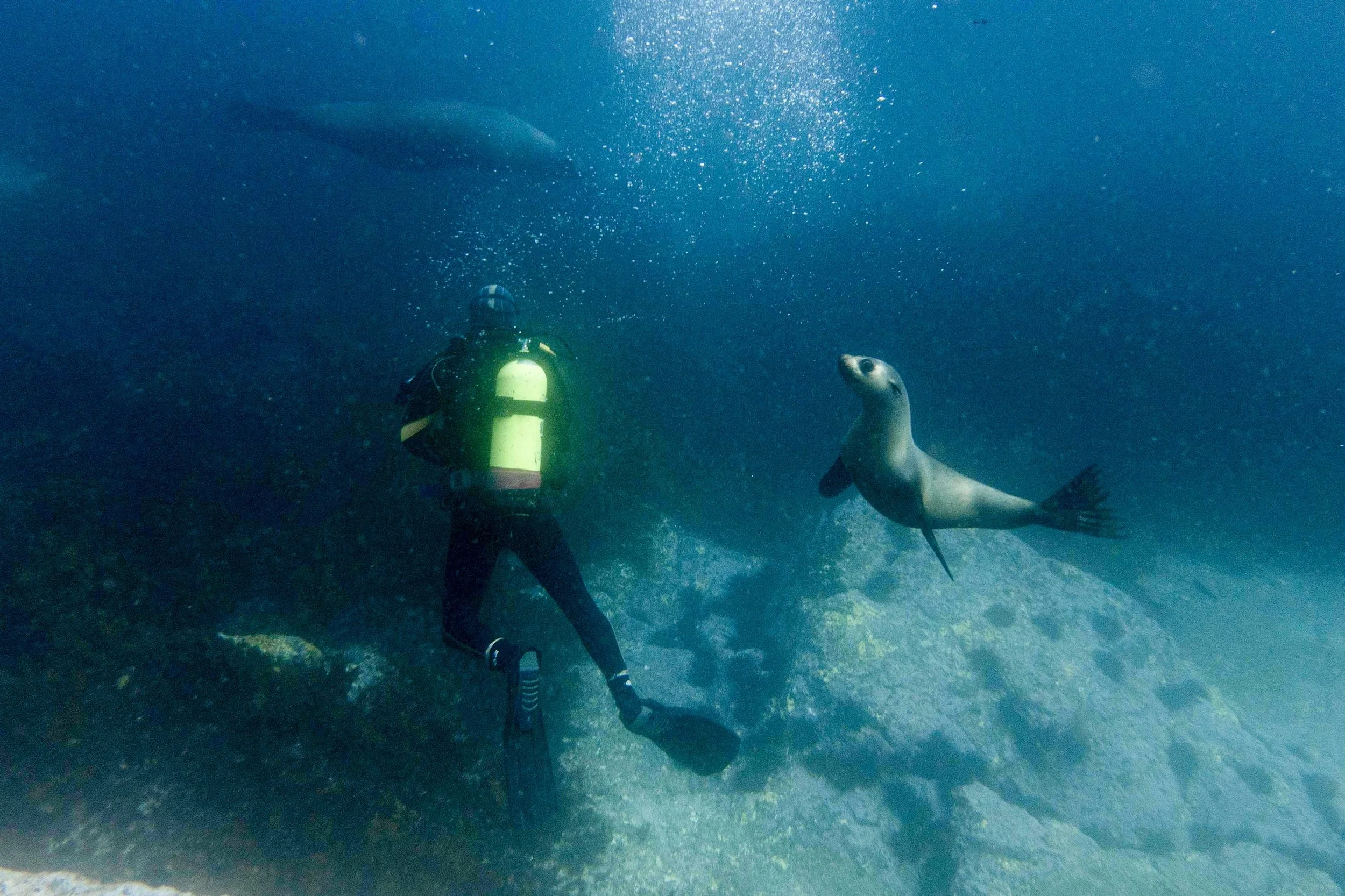
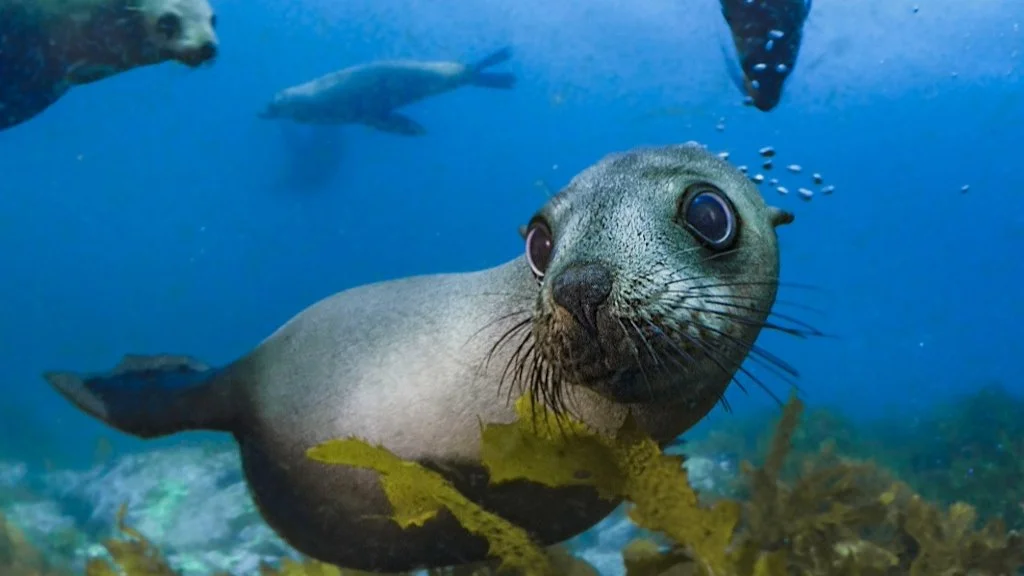
When you dive with professionals, they read the currents, check the weather, and pick the most sheltered, crystal clear bays for your dive. The island features shallow, protected coves with excellent visibility, perfect for learning to dive Montague Island. Water visibility at Montague Island typically ranges from 10m to 40m, with maximum visibility reaching up to 30 meters. Marine life encounters include Australian fur seals and New Zealand fur seals, Port Jackson sharks, wobbegongs, turtles, Blue Gropers, pods of dolphins, and even Humpback whales during their seasonal migration. Playful fur seals are a highlight, especially during the cooler months. Grey Nurse sharks can also be seen at certain times of year. During the warmer months, warm currents bring tropical fish, pelagic species, nudibranchs, giant tube worms, and vibrant gorgonea fans to the nutrient-rich reefs.
Seal encounters are a major attraction, and seal behavior includes being playful and curious, but divers should not feed or handle them. As a beginner, you want an operator who takes the guesswork out of the day. It’s recommended to practice in a pool or shallow water before attempting open water dives. Water temperatures range from 16°C in winter to 24°C in summer, so divers should wear a wetsuit for comfort. You literally just follow their lead, trust their local knowledge, and focus on your breathing.
Safety checklist before your first dive
Safe scuba diving for beginners starts long before you put on a wetsuit. Safety is the top priority for all Montague Island diving experiences. Working through a safety checklist ensures you feel confident when you finally step off the boat.
Check your medical fitness: You need basic cardiovascular health and clear sinuses to equalize pressure. If you have asthma or a history of ear issues, chat with a doctor first.
Assess your water confidence: You do not need to be an Olympic swimmer, but you should feel comfortable floating and moving in the ocean.
Pay attention to the briefing: The pre-dive briefing is crucial. I always try and put my full focus on the divemaster during this time. Do not look at your phone. Look into the future and the present of your dive plan.
Dive with a certified PADI instructor and understand your equipment: It is crucial to dive with a certified PADI instructor, who will guide you through every step and ensure your safety. Make sure you have a solid understanding of your equipment before entering the water.
Choose a reputable Narooma dive charter: Your safety depends on the crew. Pick an operator known for small groups and patient instructors, ideally with qualified PADI instructors on board.
Many operators offer scuba diving courses for beginners, providing comprehensive training and safety instruction before open water dives.
Professional level training is also available for those who wish to advance their skills beyond beginner courses.
What dive gear to bring to Montague Island
Packing the right gear makes a huge difference. Here is your Montague Island scuba checklist so you know exactly what to bring for a scuba dive:
Comfortable swimwear: Wear this under your clothes so you do not have to change awkwardly on a moving boat, and be ready to swim and dive comfortably during your trip.
Wetsuit: A wetsuit is provided and is essential for comfort in water temperatures ranging from 16°C to 24°C.
A warm towel: The wind on the NSW South Coast can be brisk after you get out of the water.
Reef-safe sunscreen: Protect your skin without damaging the marine ecosystem.
Water bottle: Breathing compressed air dehydrates you quickly. Drink plenty of water before and after your dive.
Warm change of clothes: A beanie and a fleece jacket are lifesavers, even in summer.
Motion sickness medication: If you are prone to seasickness, take it well before you board.
All snorkelling and diving activities are snorkelling boat based, so pack light and bring only essentials for your trip.
What not to bring or do
Just as important as what you bring is what you leave behind.
Do not overpack: Space on a dive boat is tight. Bring only a small dry bag for your essentials.
Do not ignore seasickness: Feeling sick ruins the fun. If you feel dizzy, look at the horizon and tell the crew immediately.
Do not rush your setup: Take your time. Let the guide help you check your air and straps.
Do not hide your questions: If something feels weird, say it. There are no silly questions on a dive boat.
How to prepare mentally for your first dive
Mental prep is a big part of beginner dive tips Australia wide. When you first submerge, it feels unnatural. Your brain might tell you that you cannot breathe underwater.
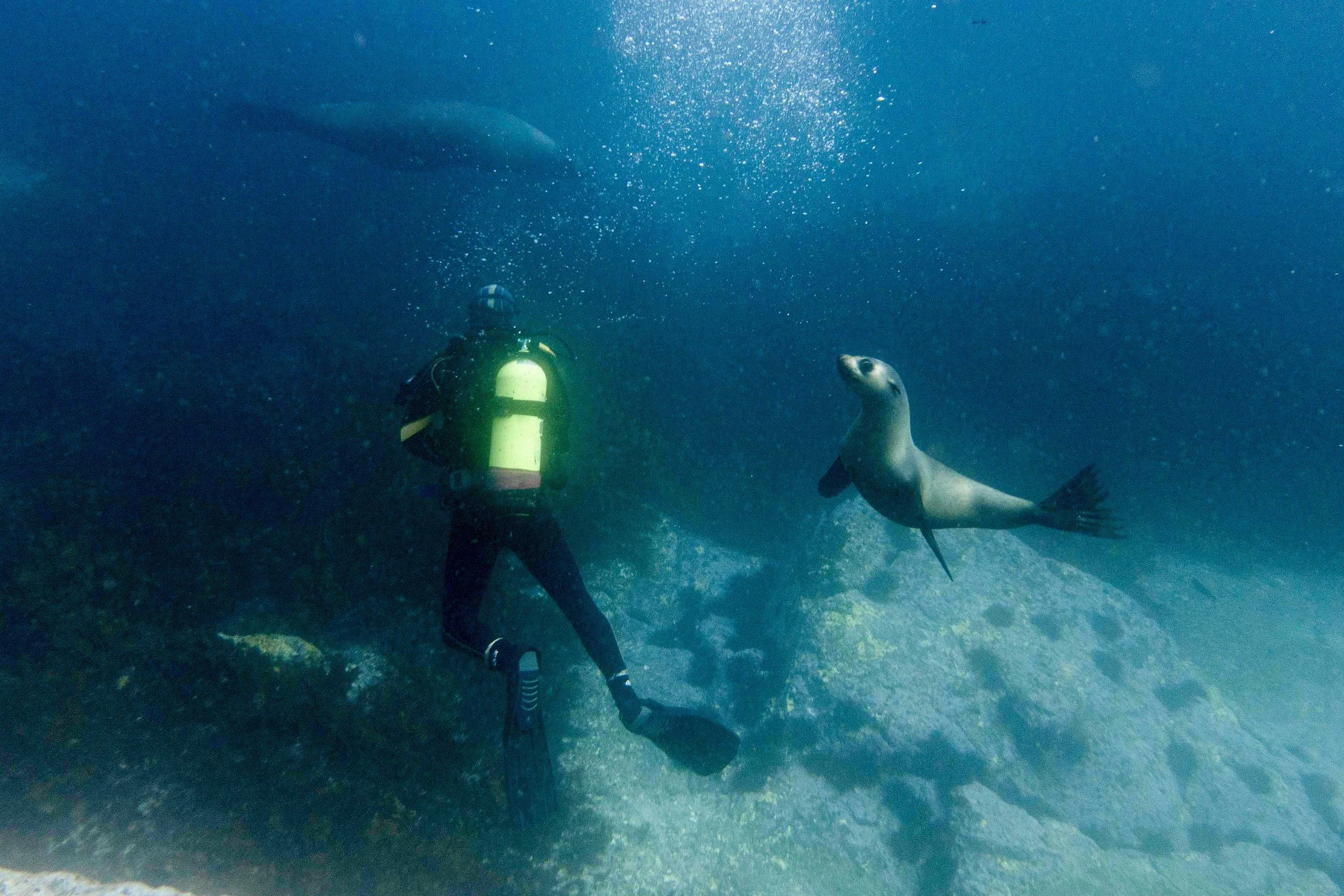
Stay calm. Trust the guide and trust your regulator. Expect to breathe slowly and deeply. I always tell new divers to just focus on the sound of their bubbles. In, out, slow, and steady. Start with realistic expectations. You might feel a bit clumsy as you figure out your buoyancy, and that is completely fine. If you feel overwhelmed, just signal your instructor. They will hold your hand, make sure you are okay, and help you find your rhythm. Once you settle in, the panic fades, and you get to watch seals darting around you like torpedoes. Diving with seals is so much fun and truly an amazing experience for all ages, but always remember to remain calm, move slowly, and let the seals approach you for the best interactions.
Why a local guided charter matters
Heading out into the ocean requires serious local knowledge. A guided scuba dive Montague Island trip means you have an expert who knows every reef, every current, and every seal colony.
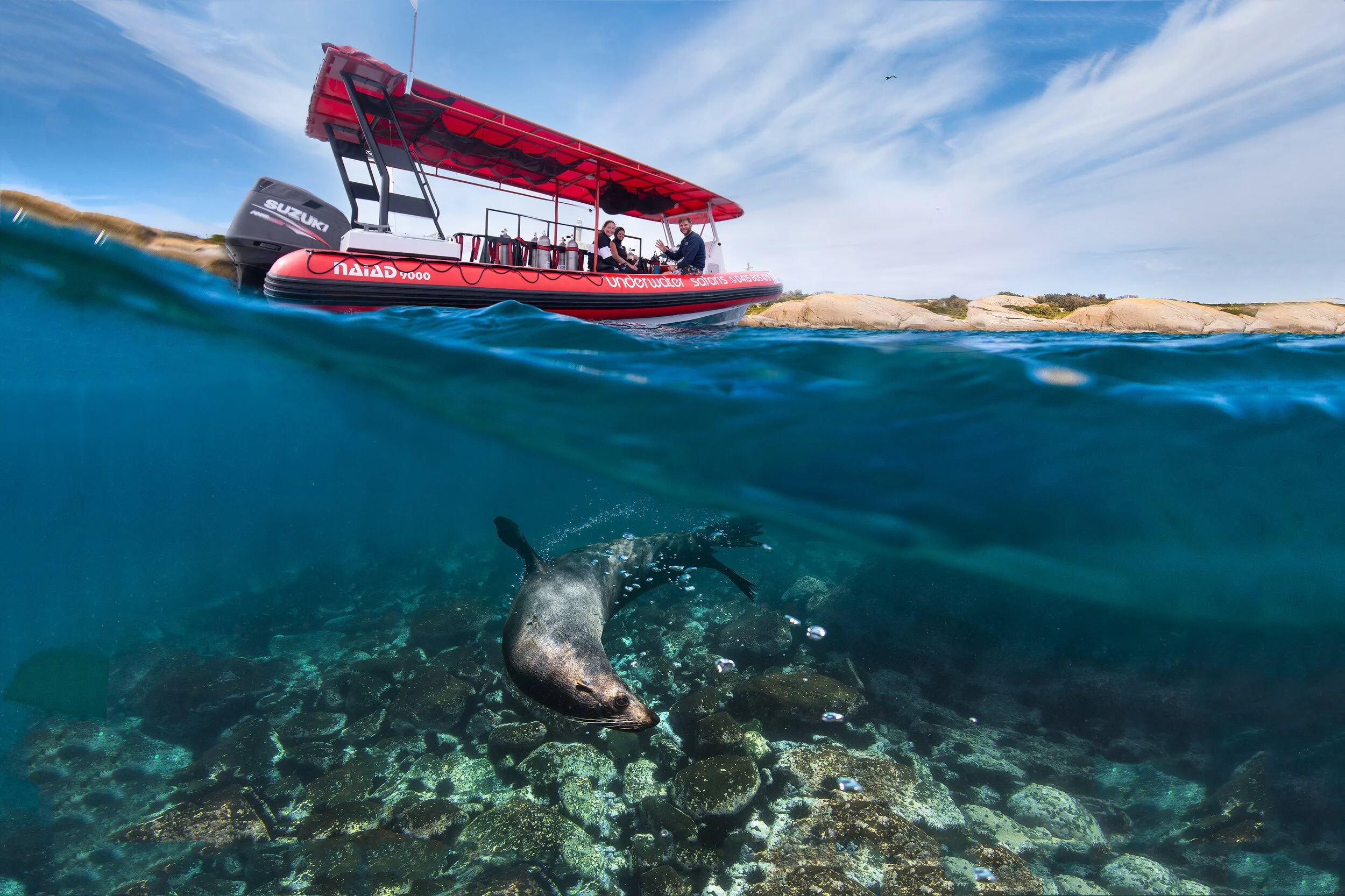
Montague Island is part of Batemans Marine Park, a protected area renowned for its pristine, unspoilt waters and rich marine life. Local operators offer a range of tours, including whale watching adventure tours and the South Coast's friendliest snorkel experiences, making Montague Island a top destination for eco-conscious adventurers. They provide daily diving trips for all skill levels, including beginners, and work closely with local community groups and national research organisations to protect and conserve this unique environment.
They make the safety decisions so you do not have to. If the wind turns, they know the backup spots. This local expertise gives beginners a massive confidence boost. You are not just renting gear; you are investing in a safe, curated experience. This is exactly why we recommend going with a team that knows these waters intimately.
Why book Underwater Safaris through ExploreNarooma.com
When it comes to picking a partner for your Narooma adventure, Underwater Safaris Narooma stands out as the only dedicated PADI diving and snorkelling boat in Narooma. They offer awesome activities and adventure tours, including whale watching, making diving Montague Island a fantastic holiday activity for all ages.
Get ready to jump into the sea for an unforgettable underwater adventure—whether you're snorkeling with playful seals or exploring the vibrant marine life, every moment is designed for amazing eco experiences. They prioritize a safety-first approach and provide dedicated, guided support for every single guest. You get premium gear, a comfortable boat, and instructors who genuinely care about your experience. Join us for an underwater safari today and experience the thrill of exploring marine life up close. If you are traveling from Sydney, Melbourne, or Canberra to the coast, you want to know your time and money are well spent. Booking through ExploreNarooma.com connects you directly with this top-tier operator, ensuring you get the best possible introduction to the underwater world.
FAQ
Is Montague Island safe for first-time divers?
Yes, it is very safe when you dive with a licensed, experienced operator who chooses sheltered locations and provides thorough safety briefings.
What should a beginner know before scuba diving?
You should know that breathing slowly is your best tool for staying calm and conserving air. Always listen to your divemaster, never hold your breath, and equalize your ears early and often.
What do I need for my first scuba dive?
The charter provides all the heavy gear (wetsuit, tank, BCD, fins, mask). You only need to bring swimwear, a towel, sunscreen, water, and warm clothes for the boat ride home.
Is scuba diving safe for beginners in Narooma?
Absolutely. Narooma has highly regulated, professional dive charters that cater specifically to beginners, ensuring small ratios of divers to instructors.
How do I prepare for my first dive trip?
Get a good night of sleep, stay hydrated, avoid heavy drinking the night before, and take seasickness medication early if you need it.
What if I get nervous before scuba diving?
Nerves are completely normal. Tell your instructor exactly how you feel. They are trained to help nervous beginners. They will take things at your pace and will not force you to do anything you find uncomfortable.
Why book a local dive charter in Narooma?
A local charter possesses years of experience navigating the specific weather patterns and ocean currents of the area. They know exactly where to find the clearest water, the best dive sites, and the friendliest marine life on any given day.
Ready to take the plunge into adventure tours and seal dives?
Your first time breathing underwater is something you will remember forever. By following this checklist and trusting the experts, you set yourself up for an incredible day out on the water. If you are a first-time diver Montague Island is calling your name.
Explore Montague Island dive trips with Underwater Safaris today. See their beginner-friendly dive options and learn more about diving Narooma with a trusted local charter over at ExploreNarooma.com. Grab your gear, get out there, and enjoy the big hookups with nature!
