
Barunguba Montague Island Nature Reserve
Montague Island, Narooma, NSW
Overview of Barunguba Montague Island Nature Reserve
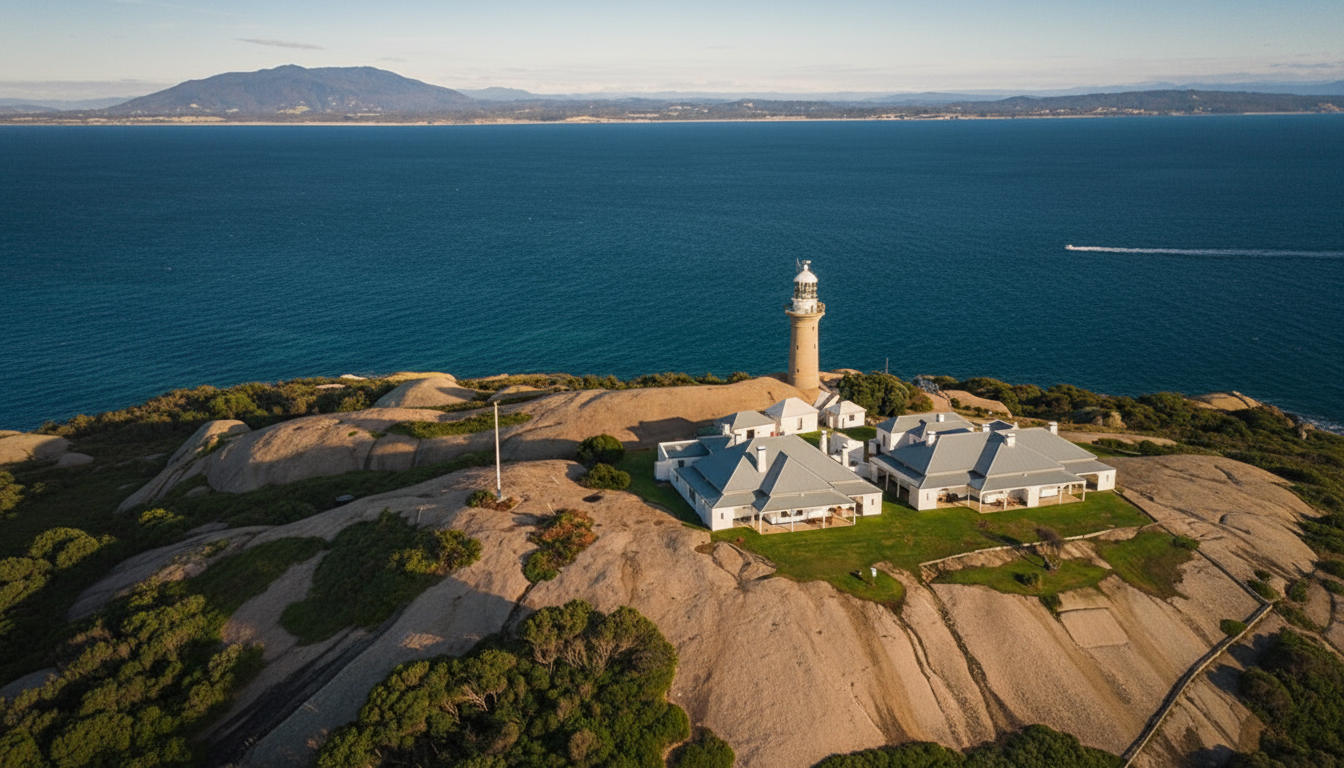
Rising from the waters of the Tasman Sea approximately 9 kilometres offshore from Narooma, Barunguba Montague Island Nature Reserve stands as one of the NSW South Coast’s most remarkable natural treasures. This spectacular wildlife wonderland spans around 81 hectares of protected land and holds the distinction of being the second largest island off the New South Wales east coast, surpassed only by Lord Howe Island.
The island carries two names that reflect its layered identity. To the Yuin people, this place is Barunguba—a site of deep cultural and spiritual significance connected to the landscape of the mainland. In European maritime records, it became Montague Island, named during Captain James Cook’s voyage along the coast in 1770. Today, the NSW National Parks and Wildlife Service manages this island nature reserve, balancing conservation imperatives with carefully controlled visitor access.
What draws thousands of visitors to explore Barunguba each year? The numbers tell part of the story: approximately 12,000 little penguins waddle across its grassy slopes, between 1,500 and 2,000 Australian and New Zealand fur seals haul out on its rocky platforms, and during whale migration season, humpback whales pass so close that tour boats regularly record up to 2,000 sightings. Add to this the incredible heritage of the 1881 Montague Island Lighthouse and you have a destination unlike anywhere else on the Australian coast. Access is strictly via licensed tour operators conducting NPWS-guided experiences—a measure that protects this fragile ecosystem while ensuring every visit leaves a lasting impression.
Location, Access and Practical Visitor Info
Barunguba Montague Island Nature Reserve sits in the waters of the Eurobodalla coast, positioned approximately 9 kilometres east of the coastal town of Narooma in southern New South Wales, Australia. The reserve is roughly four hours’ drive south of Sydney and about 2.5 hours from Canberra, making it accessible for weekend trips from both capital cities. Visitors flying in can also access the region via Moruya Airport.
Getting to the Island
The boat journey from Narooma to Barunguba takes approximately 20 minutes each way aboard modern charter vessels operated by licensed Montague Island Adventures companies. All departures leave from Narooma Wharf, and independent landings on the island are not permitted under any circumstances.
Key access requirements:
| Requirement | Details |
|---|---|
| Minimum age | 5 years for all visitors |
| Physical ability | Must be able to climb a short ladder (up to 4 rungs) from boat to landing platform |
| Booking | Advance reservations required through licensed operators |
| Guides | All island tours include mandatory NPWS-guided components |
Tour Durations and Visitor Limits
Tour options range from half-day experiences to full-day immersive adventures. Numbers per tour are strictly limited to protect wildlife and maintain the quality of the experience. This means booking ahead is essential, particularly during peak seasons.
Best Times to Visit
The ideal time to book your Montague Island tour depends on what you want to see:
September to late January: Peak penguin breeding season, evening tours available
September to mid-November: Prime whale watching as humpback whales migrate south
Late winter through early summer: Best seal colony activity
November through early December: Seabird nesting peaks with crested terns and shearwaters
Summer months: Calmest sea conditions for comfortable crossings
Note that the island is closed during August, likely to protect wildlife during critical breeding periods.
Aboriginal Cultural Significance
Long before European navigation charts marked this island, Barunguba held profound meaning for the Yuin people, particularly the Walbunja nation whose Country encompasses this section of the coast. This is not simply a nature reserve—it is a place woven into creation stories that stretch back thousands of years.
The Story of Barunguba and Gulaga
Central to understanding Barunguba’s significance is its relationship with Gulaga, known to European settlers as Cape Dromedary or Mount Dromedary. In Yuin cultural narratives, Gulaga is the mother, and Barunguba is one of her children—a family connection that shapes the spiritual landscape of the entire region. This relationship between the mainland mountain and the island surrounded by sea reflects deeper teachings about kinship, responsibility, and the interconnectedness of Country.
Archaeological Evidence and Cultural Sites
Archaeological evidence confirms the long-standing Aboriginal presence on and around Barunguba. Middens and other cultural sites provide physical testimony to generations of Yuin connection to this land and sea. These sites are protected under NPWS management plans, and visitors are asked to tread lightly and follow guide instructions when exploring the island.
Contemporary Cultural Connection
The cultural connection to Barunguba continues today. Yuin-led storytelling, performances, and cultural projects share the island’s stories with visitors, ensuring that First Nations perspectives remain central to how this place is understood and experienced. When you visit, you’re not just seeing wildlife and heritage buildings—you’re walking on Country that holds meaning far deeper than what meets the eye.
History of Montague Island Lighthouse and Heritage
The treacherous waters off the New South Wales south coast claimed numerous vessels during the colonial era, creating urgent demand for navigational aids along this hazardous stretch. Montague Island, rising prominently from the sea, was an obvious candidate for a lighthouse that could guide ships safely past its rocky shores.
Construction and Design
The Montague Island Light was designed by colonial architect James Barnet and constructed in 1881 using granite quarried directly from the island itself. The tower stands 21 metres tall, with its light positioned 80 metres above sea level—a beacon visible for 20 nautical miles across the dark ocean. The lighthouse keepers who lived on Barunguba tended this flame for over a century, their lives shaped by isolation, harsh weather, and the relentless demands of keeping the light burning.
The Lightstation Complex
The lighthouse precinct comprises more than just the tower. A cluster of keeper’s cottages, ancillary buildings, and infrastructure forms one of the best-preserved late-Victorian lightstations in Australia. This incredible heritage has earned the site recognition on the Register of the National Estate for its architectural quality, while the National Trust has designated the island as a Landscape Conservation Area acknowledging its scenic, scientific, and historical values.
From Manned to Automated
The light was automated in 1986 and the station was demanned in 1987, ending over a century of continuous human habitation. The original Fresnel lens was removed during automation and now resides at the Narooma Lighthouse Museum on the mainland, preserving an important artifact of maritime heritage for public viewing.
Today, visitors can join NPWS-guided lighthouse tours that explore the precinct, learning about the isolated lives of lighthouse keepers and the rich history that permeates these stone walls.
Wildlife and Ecosystems of the Nature Reserve
Barunguba’s isolation—sitting 9 kilometres from the mainland shore—has protected its native flora and fauna from the terrestrial pressures that have transformed so much of coastal Australia. The result is a nature reserve of extraordinary ecological significance, where rocky shorelines, grassy slopes, and shrubland support a remarkable diversity of life.
The marine environment surrounding the island is influenced by the East Australian Current, bringing warm waters and the marine life that follows. More than 90 bird species have been recorded on and around Barunguba, with at least 19 seabird species breeding on the island during peak summer months. The reserve operates as a haven for wildlife, managed specifically to maintain these populations and their breeding sites.
Little Penguins and Seabird Colonies
The stars of any Barunguba Montague Island tour are undoubtedly the little penguins. This large colony—estimated at around 10,000 breeding pairs during peak season—represents one of the most significant penguin populations on the NSW coast. These charismatic birds spend their days fishing at sea before returning to their burrows at dusk, a nightly parade that draws visitors from Sydney, Canberra, and across Australia.
Penguin viewing season runs from September to late January, when birds are actively breeding and feeding chicks. Evening penguin tour experiences time island visits to coincide with the penguins’ return, offering unforgettable encounters as hundreds of birds waddle up the slopes in the fading light.
Beyond penguins, the island supports thriving seabird colonies:
Wedge-tailed shearwaters (muttonbirds) nest in burrows across the island
Crested terns establish noisy breeding colonies in summer
Silver gulls patrol the rocky shores
Various petrels arrive to breed during warmer months
Burrow and nesting habitat conservation is paramount. Visitors must stay on formed paths and follow guide directions, particularly during evening tours when low-level lighting minimises disturbance to returning birds.
Seal Colonies and Marine Life
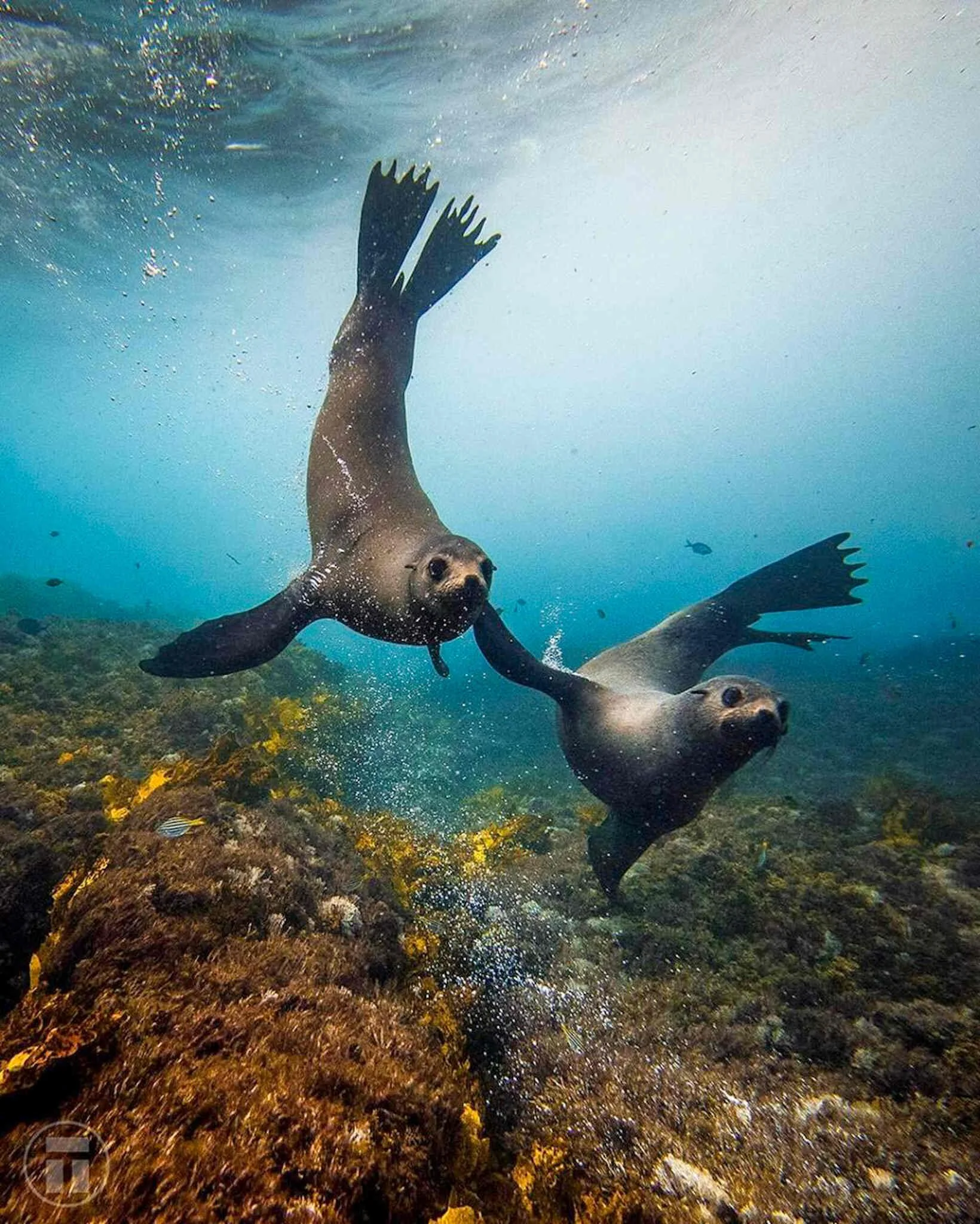
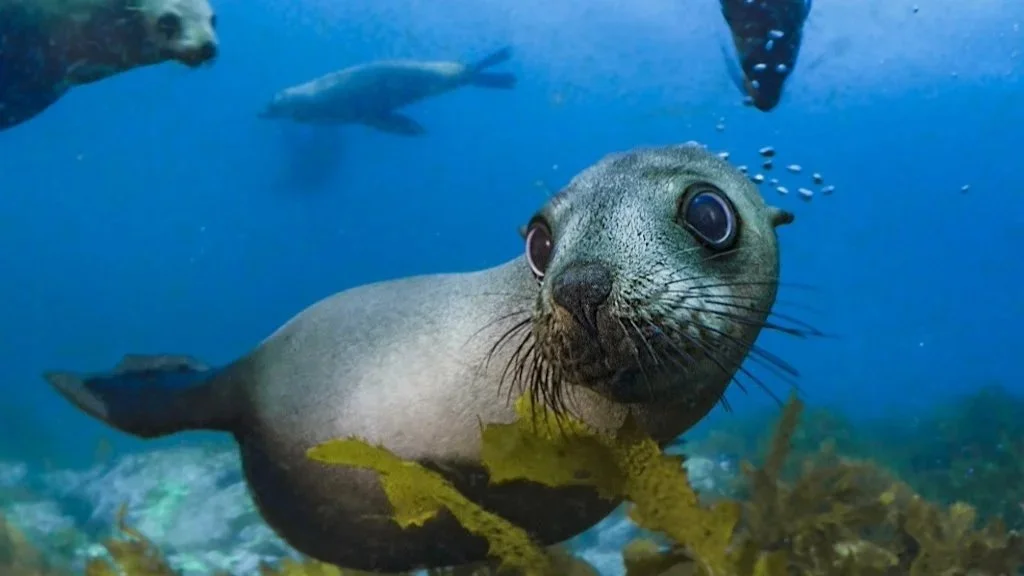
Hundreds of Australian and New Zealand fur seals haul out on the rocky platforms surrounding Barunguba from late winter through early summer. Watching these playful seals basking in the sun, squabbling over prime rock positions, or slipping gracefully into the water is one of the reserve’s most popular attractions.
Most Montague Island tour itineraries pause at two major seal colonies, giving visitors extended viewing opportunities. In suitable conditions and seasons, some operators offer the chance to snorkel with seals—an experience that brings you face-to-face with these curious marine mammals in their element.
Marine life beyond the seals includes:
Dolphins (common and occasionally bottlenose) frequently spotted on crossings
Manta rays in warmer months
Large schools of pelagic fish
Diverse reef species in surrounding marine protected areas
Seals are wild animals, and visitors observe from the boat or water at a respectful distance under guide supervision. The stunning vistas of seals lazing on sun-warmed rocks, with the lighthouse rising behind, make for breathtaking island views that capture the essence of this unique destination.
Whales, Dolphins and Seasonal Encounters
The main whale watching period runs from approximately September to mid-November, coinciding with the southern migration of humpback whales along the NSW coast. During this season, tours regularly encounter whales frolicking in the waters around Barunguba—breaching, tail-slapping, spy-hopping, or travelling with calves as they make their way toward Antarctic feeding grounds.
The numbers are staggering: up to 2,000 humpback whale sightings have been recorded during peak migration periods. While encounters are opportunistic, they’re frequent enough that whale watching has become a major drawcard for spring visitors.
Dolphins add another dimension to the wildlife experience. Common dolphins and occasionally bottlenose dolphins may bow-ride tour boats en route to the island at various times of year, providing spontaneous moments of marine magic. Tour operators adjust routes to maximise encounter chances while adhering to whale and dolphin watching regulations.
Guided Tours and Experiences on Barunguba
Every visit to Barunguba Montague Island Nature Reserve is a guided tour experience. Licensed operators work in partnership with NPWS to deliver tours that interpret the island’s ecology, culture, and history. This model ensures wildlife protection while providing visitors with expert insights they couldn’t access on their own.
The range of experiences caters to different interests, time availability, and physical capabilities—from comprehensive full-day explorations to focused wildlife cruises that may not even land ashore.
Full Island and Lighthouse Discovery Tours
For visitors wanting the complete Barunguba experience, full-day or extended tours combine island landing, walking tracks, key lookouts, and comprehensive NPWS-guided interpretation.
Typical inclusions:
Boat transfer to the island (approximately 20 minutes each way)
Inspection of the lighthouse precinct with heritage interpretation
Walking among penguin burrow areas on formed tracks
Time at scenic lookouts with stunning vistas across the coast
Learning about keeper life and maritime history
Snorkelling with seals (seasonal, conditions permitting)
Circumnavigation of the island by boat viewing bird colonies and cliffs
These tours suit visitors seeking an in-depth combination of history, culture, and wildlife—a genuine immersion in what makes this island nature reserve so special.
Short Lighthouse and Heritage Tours
Shorter landing tours focus primarily on the lighthouse and immediate surroundings, making them ideal for visitors with limited time or those wanting a less physically demanding experience.
These tours still include wildlife viewing from the boat en route, typically pausing at one or two seal colonies. Duration is generally a few hours including travel, with a compact NPWS-guided walk to the lighthouse and lookouts.
Where full tours offer comprehensive exploration, shorter options emphasise accessibility and concise heritage interpretation—perfect for visitors wanting to experience Barunguba’s incredible heritage without committing to a full day.
Sunset, Penguin and Evening Experiences
The sunset and evening tours represent some of the most sought-after experiences on the South Coast. These tours time island landings and departures to coincide with little penguins arriving back at their burrows from the sea—a nightly ritual that unfolds against the backdrop of a setting sun.
What to expect:
Tours operate from approximately September to late January
Visitors are guided to designated viewing areas at dusk
Red or low-level lighting minimises disturbance to arriving penguins
Watch as hundreds of birds emerge from the water and waddle to their burrows
The lighthouse silhouette against sunset skies creates stunning photography opportunities
This combination of sunset views, heritage atmosphere, and penguin behaviour creates an unforgettable experience that regularly tops bucket lists for visitors to NSW national parks.
Whale, Seal and Wildlife Cruises
Not every Montague Island tour involves landing ashore. Boat-based wildlife cruises focus on whale watching (September to mid-November), seal colonies, and coastal scenery without the need to disembark.
These cruises typically circumnavigate the island, providing views of the lighthouse, dramatic cliffs, and bird colonies from the water. They’re ideal for visitors who want marine wildlife encounters without the physical requirements of the island landing.
Practical considerations:
Bring warm, layered clothing suitable for sea spray
Cameras and binoculars enhance the experience
Some itineraries combine afternoon whale watching with evening penguin viewing
Fishing trip add-ons may be available through some operators
Wildlife cruises differentiate from landing tours by keeping visitors on the water throughout—a different perspective that reveals Barunguba’s dramatic coastal setting in its full glory.
Overnight Stays and Accommodation in the Lightstation
For those seeking something truly extraordinary, Barunguba offers one of Australia’s most unique accommodation experiences: the chance to stay overnight in restored lighthouse keeper’s cottages managed by NPWS.
The Cottages
These heritage buildings have been carefully restored to provide self-contained accommodation while retaining their historical character. Typically booked as whole-of-cottage rentals, they feature modern comforts within walls that have sheltered lighthouse keepers for over a century.
What an Overnight Stay Includes
Return boat transfers from Narooma
NPWS orientation upon arrival
Access to shared kitchen facilities
Freedom to explore the precinct after day visitors depart
Uninterrupted night skies far from mainland light pollution
Early-morning seabird activity and penguin calls at dawn
The profound experience of having this island almost to yourself
Booking Essentials
| Consideration | Details |
|---|---|
| Availability | Very limited—book well in advance |
| Seasons | Weather can be challenging; check conditions |
| Self-catering | Bring all food and supplies |
| Capacity | Cottages suit small groups or families |
Staying overnight on Barunguba represents the ultimate immersion in this landscape conservation area—a rare privilege that connects you to the lives of those who once called this isolated outpost home.
Conservation, Restoration and Responsible Visiting
Barunguba Montague Island Nature Reserve is a tightly managed protected area where conservation drives every decision. Active ecological restoration programs work to reverse historical damage and ensure the island remains a thriving sanctuary for generations to come.
The Kikuyu Challenge
One of the most significant conservation challenges involves invasive kikuyu grass, originally introduced in the 19th century for grazing and ground cover around the lighthouse. This aggressive species now threatens native habitat, smothering penguin burrows and shearwater nesting sites.
NPWS control methods include:
Targeted poisoning of kikuyu infestations
Controlled burning to remove dead material
Large-scale replanting with native species
Aerial spraying in hard-to-reach sections of the island
These efforts aim to restore the fauna habitat that penguins, shearwaters, and other ground-nesting seabirds depend upon.
Your Responsibilities as a Visitor
Every person who sets foot on Barunguba plays a role in its conservation. Visitor responsibilities include:
Staying on formed tracks at all times
Following all NPWS and guide instructions
Minimising noise and light during evening tours
Never feeding or touching wildlife
Bringing sun protection and taking all rubbish with you
Respecting cultural sites and Aboriginal heritage
The tour model—limiting numbers, requiring guides, restricting access—exists because it works. This approach balances meaningful visitor experiences with the protection this fragile ecosystem requires.
A Shared Responsibility
Conservation is central to every Barunguba Montague Island tour. When you visit, you become part of a community committed to ensuring this spectacular wildlife wonderland survives and thrives. The playful seals, the determined little penguins, the diving seabirds, and the passing humpback whales depend on visitors who travel responsibly and leave no trace.
Whether you’re drawn by whales frolicking off the coast in spring, the haunting calls of penguins returning at sunset, or the chance to explore an incredible heritage lighthouse that has guided mariners for over 140 years, Barunguba offers an unforgettable experience unlike anywhere else in Australia.
Start planning your Barunguba Montague Island tour today. Book with a licensed operator, choose the season that matches your interests, and discover why this nature reserve ranks among NSW’s most treasured—and most protected—natural destinations.
